

A Complete Guide to Aluminium, Stainless Steel & Wood
12 June 2026 | By Alummira Knowledge Base
The frame around your mirror or favourite picture does more than just hold the glass. It sets the mood of your room. It must survive bathroom humidity, the heat of a sunny hallway, or the daily touch of hands. The wrong material can warp, rust, or simply look tired after one season. The right material stays beautiful for years. In this guide, you will discover the real differences between aluminium, stainless steel, and pure wood frames. We also proudly introduce Alummira and explain why we build our frames from 6063-T5 aluminum.
Mirror & Picture Frame Materials
Aluminium · Stainless Steel · Pure Wood — a direct comparison at a glance
| Property | Aluminium | Stainless Steel | Pure Wood |
|---|---|---|---|
| Weight | Lightest — easy to hang on plasterboard walls | Heaviest, but still manageable; needs strong fixings | Light woods (walnut, bamboo) are second lightest |
| Strength against knocks | Moderate — can bend slightly but rarely breaks | Highest — resists bumps and dents brilliantly | Lowest — brittle, can snap if dropped or hit hard |
| Moisture & corrosion resistance | Excellent — natural oxide layer fights rust; ideal for bathrooms | Excellent — steam, sweat and splashes leave no marks | Poor — swells, warps or rots without careful sealing |
| Touch & feel | Adapts quickly to room temperature; feels neutral | Consistently cool and hard; clinical feel to some | Warm and soft — natural, inviting texture |
| Allergy safety | Very skin-friendly; rarely causes reactions | May contain nickel — choose nickel-free grades for sensitive skin | Safest — no metal allergens, perfect for frequent handling |
| Colour & finish variety | Widest spectrum — anodised gold, matte black, bronze, red, etc. | Limited — mostly silver, gunmetal grey, occasional black | Celebrates natural grain and tone; no artificial colours |
| Size & profile flexibility | Slim profiles possible; lightweight allows larger mirrors | Extremely thin elegant profiles achievable | Needs thicker, chunkier sections for structural strength |
| Price | Strong value — premium feel without designer price | Strong value, often comparable to aluminium | Premium — intensive handcraft and material selection cost more |
| Maintenance | Wipe with damp cloth; anodised finish does not peel | Wipe clean; very low maintenance | Requires periodic waxing/oiling and climate control |
Why the frame material changes everything
A bathroom mirror faces steam every morning. A full-length mirror in the bedroom might lean against a wall and take accidental knocks. A picture frame in the kitchen gets splashed. A decorative wall mirror in the living room becomes a focal point that guests notice immediately. Each room places its own demands on the frame. Weight matters for easy hanging. Moisture resistance matters for long life. Style matters for your home’s soul. When you choose a frame, you choose how much maintenance you accept and how long that lovely piece will last.
Aluminium frames: the lightweight all-rounder
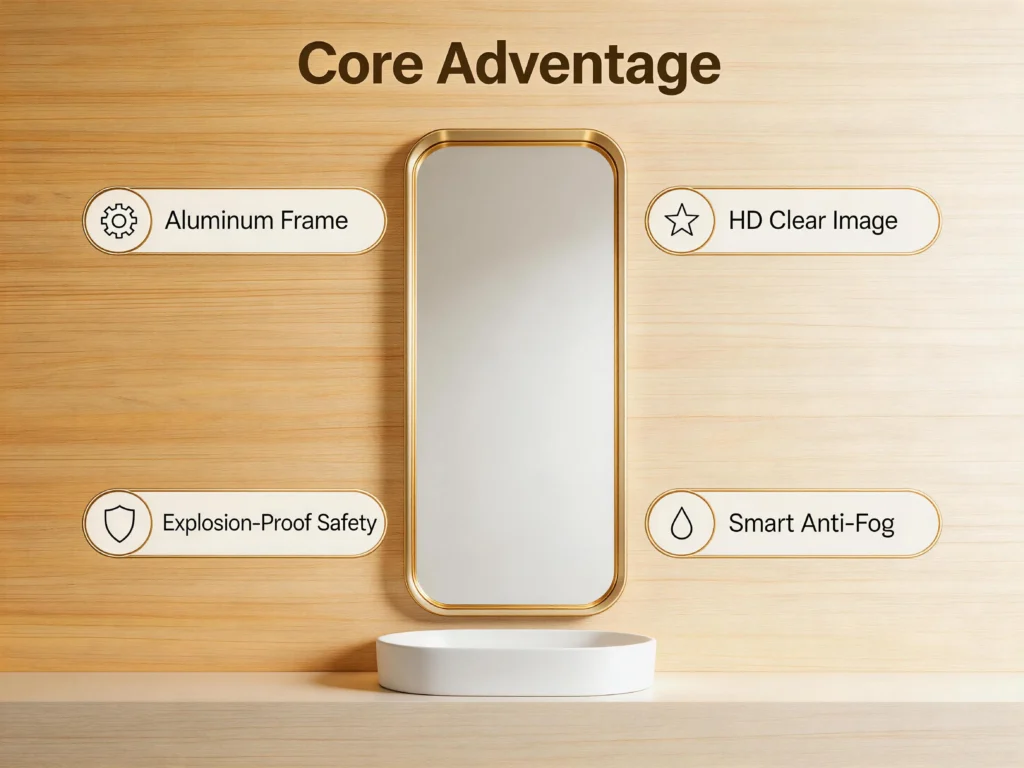
Aluminum is a modern favourite for mirrors and picture frames. It brings a rare combination of lightness, strength, and creative freedom. You can hang a large aluminum-framed mirror on a plasterboard wall with less worry about weight. The metal itself forms a natural oxide layer that fights rust. In a steamy bathroom, this is a real superpower. The frame does not swell or peel. It simply wipes clean and looks fresh.
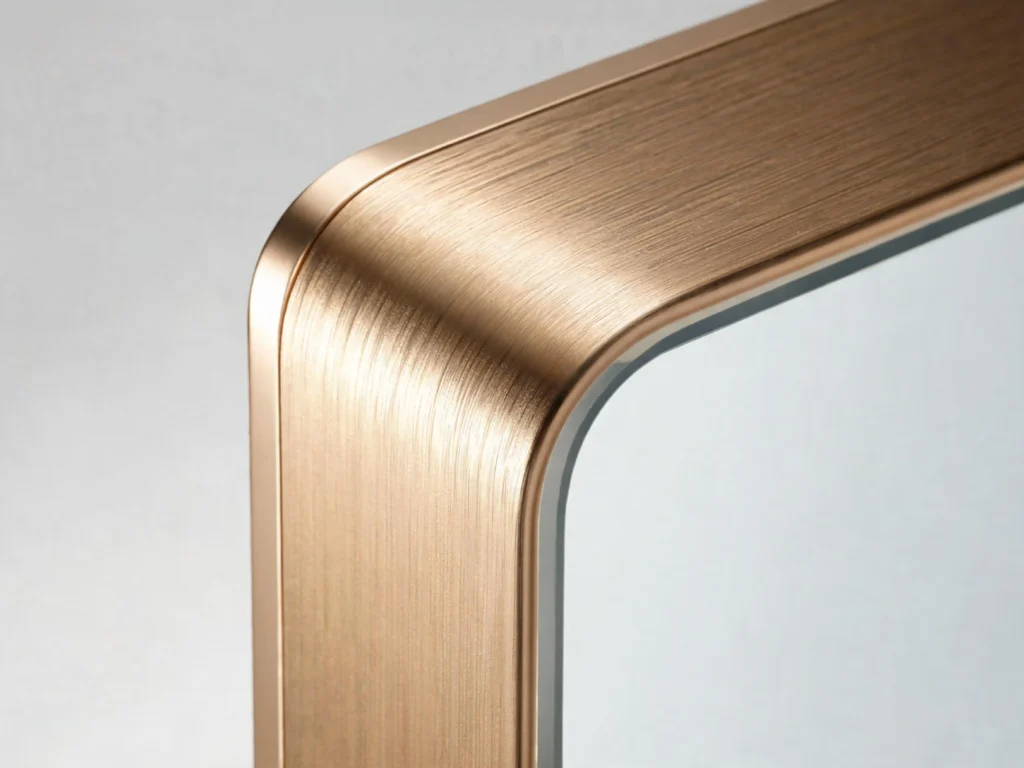
Comfort does not stop at practical care. Aluminum accepts anodising beautifully. Anodising creates a hard, coloured surface that locks into the metal. You can choose a brushed gold finish for a luxury hotel look. You can pick matte black for a modern industrial edge. You can go for soft silver, warm bronze, or even bold red. The colour does not flake off like paint. It stays rich for a decade or more. If a wooden frame accidentally falls during cleaning, it may crack or snap. An aluminum frame offers more give. It may bend slightly under a hard hit, but it rarely breaks. A careful pair of hands can often straighten it again. And the price? It sits in a comfortable middle zone. You get a premium feel without a designer price tag.
Of course, no material is perfect. Pure tensile strength is lower in aluminum than in stainless steel. A very heavy impact, such as a large object falling against the mirror, could dent the frame. On extremely cheap, unbranded frames, a thin painted coating may wear off over time. This is why you should always choose frames that use proper anodising, not just surface paint. Also, aluminum transfers heat quickly. In a very cold bathroom, the frame will feel cool to the touch. In direct sun, it will feel warm. Most people find this completely natural and never notice it.
Meet Alummira and 6063-T5 aluminium
At Alummira, we craft our mirror and picture frames from 6063-T5 aluminum. This is an aerospace-grade alloy prized for its ideal balance of lightness, strength, and surface finish. The “T5” temper means the metal goes through a special cooling and ageing process. It resists dents and deformation while staying easy to handle and install. We then apply a high-grade anodised finish. The colour grows inside the metal’s surface, not on top of it. You enjoy a scratch-resistant, long-lasting frame that can handle bathroom humidity, hallway bustle, and kitchen heat equally well. When you choose an Alummira frame, you choose engineered beauty that stays beautiful.
Stainless steel frames: the strong minimalist
Stainless steel brings a crisp, clean edge to your interior. This material offers very high tensile strength. Frame makers can draw it into remarkably thin, elegant profiles. A stainless steel frame around a full-length mirror can look almost invisible, letting the reflection take centre stage. That slender line also creates a smart, architectural feel above a mantelpiece or along a gallery wall of picture frames.
Strength is the headline here. A stainless steel frame laughs at accidental bumps from a vacuum cleaner or a passing shoulder. It resists corrosion brilliantly. Sweaty hands, kitchen steam, or bathroom moisture do not leave marks. You can clean it with a soft damp cloth, and it shines right back. For households that value low-maintenance durability, stainless steel earns its place. The colour range, however, stays classic. You will mostly see silver tones, gunmetal greys, and occasional black. If you dream of a forest-green mirror frame or a warm terracotta picture frame, stainless steel rarely delivers. The metal also feels noticeably cool and hard. Some interiors welcome this cool touch; others find it a bit clinical. And if someone in the home has a nickel allergy, check the alloy details. Many stainless steels contain nickel, and frequent handling of a picture frame could cause skin irritation for sensitive individuals. Also, remember that stainless steel conducts electricity. It is unsuitable for certain specialised environments, though this rarely matters in a home.
Pure wood frames: nature’s own artwork
Wood frames carry the fingerprint of the tree they came from. No two pieces share exactly the same grain. That natural, living texture brings an unmatched warmth to a family photo or a bedroom mirror. Wood feels soft to the touch. It does not trigger metal allergies. If you value sustainability, you will love that wood is renewable. Some craftspeople even use reclaimed timber, giving old beams a second life as beautiful frames. Lightweight woods like walnut or bamboo keep overall weight very low, so large decorative mirrors remain easy to hang.
But wood asks for commitment. It fears water and humidity more than any other frame material. In a busy family bathroom, a wooden mirror frame can absorb steam and start to swell or crack within months. A picture frame in a sunny conservatory can dry out and develop ugly splits. Accidental knocks pose a real danger because wood has low bending strength. A fall from the wall often means a clean snap, not a small dent. This fragility means you rarely see very thin, delicate wooden profiles. Most wooden frames carry a chunkier, solid presence. The price also reflects the intensive handcraft and material selection. Expect to pay notably more than for metal alternatives. Adjustment is another hidden challenge. A wooden frame comes with fixed corner joints. You cannot easily tweak its size or shape once it is made. If your wall space is slightly irregular, the fit stays imperfect. Over time, skin oils from hands and airborne kitchen grease can attack the surface. To keep the wood nourished and glowing, you need to rub in wax or special oil every few weeks. It becomes a labour of love.
A direct comparison at a glance
- Weight: Aluminum frames are the lightest. Light wood species come second. Stainless steel is the heaviest, though still manageable.
- Strength against knocks: Stainless steel ranks highest. Aluminum offers moderate strength with some bend. Wood ranks lowest and can snap.
- Moisture and corrosion resistance: Stainless steel and aluminum both excel. Wood can warp, swell, or rot without careful sealing and maintenance.
- Touch and feel: Wood feels warm and soft. Aluminum adapts quickly to room temperature. Stainless steel feels consistently cool and hard.
- Allergy safety: Wood is the safest choice for frequent handling. Aluminum is also very skin-friendly. Stainless steel requires nickel-free grades for sensitive skin.
- Colour and finish variety: Aluminum leads with a wide spectrum of anodised colours and textures. Stainless steel stays largely in the silver-grey-black palette. Wood celebrates its natural grain and tone.
- Size and profile flexibility: Stainless steel can be made extremely thin and elegant. Aluminum allows slim profiles too. Wood needs thicker sections for structural strength.
- Price: Aluminum and stainless steel offer strong value. Wood sits at the premium end of the market.
- Maintenance: Metal frames just need a wipe. Wood frames demand periodic waxing or oiling and careful climate control.
How to choose the perfect frame for your space
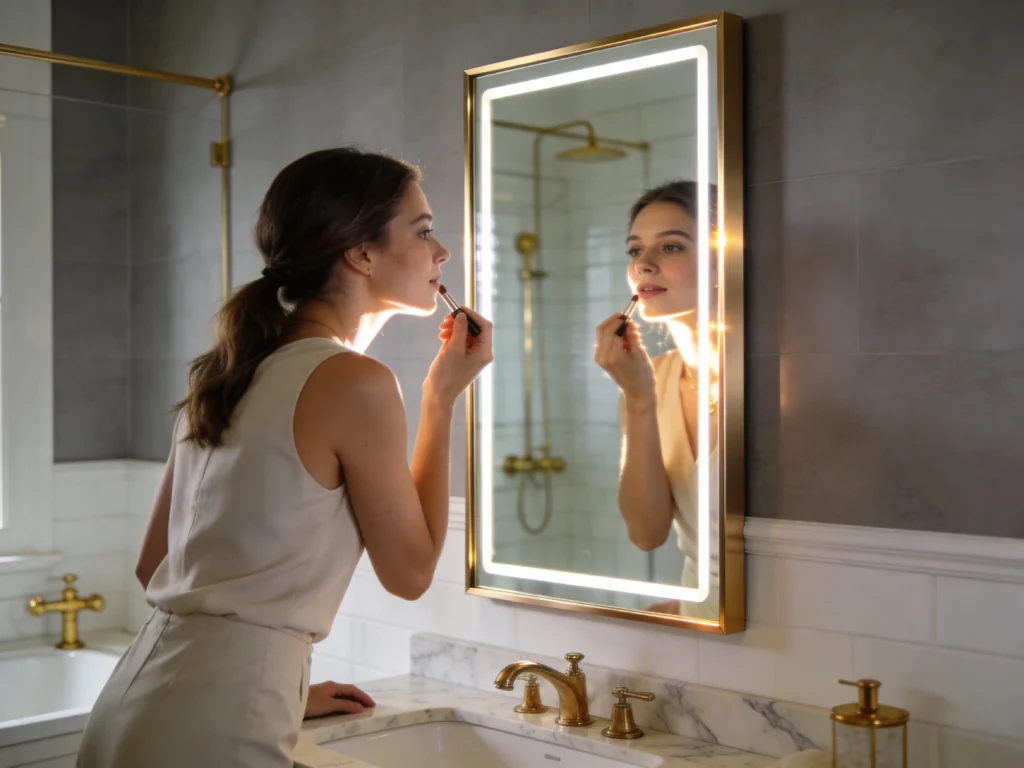
Start with the room. For a bathroom or a cloakroom, aluminum is your safest and most versatile friend. It handles steam without complaint. For a full-length mirror in a busy hallway where bumps happen, stainless steel gives you bulletproof peace of mind. For a living room feature mirror that never faces moisture and gets gentle treatment, wood can be a stunning, soulful choice.
Now think about your photo frames. Do you like to rearrange your gallery wall every season? Lightweight aluminum frames make the task effortless. Do you want a single, statement family portrait frame that will sit untouched for decades? Wood delivers heritage warmth. Do you need a slim, modern black frame that almost disappears? Stainless steel or anodised aluminum both work perfectly.
Also, consider your lifestyle. Do you really want to oil all your frames every few weeks? If the answer is a clear “no,” choose metal. Do you love the idea of a frame that ages with you and tells a story? Wood may fill your heart, as long as you keep it away from water. Weight matters enormously with large mirrors. A heavy frame needs heavy-duty wall fixings. A lightweight aluminum frame opens up more hanging possibilities. That is why Alummira uses 6063-T5 aluminum to keep weight low without losing strength.
Care and maintenance – simple habits that protect your frames
For aluminum frames: Dust regularly with a soft, dry cloth. For bathroom mirrors, wipe the frame with a damp microfibre cloth and mild soap if needed. Avoid abrasive creams or scrub pads; they can dull anodised surfaces. If your Alummira frame gets a small dent, ask a framing professional to assess it. Do not attempt to bend it back with household tools.
For stainless steel frames: A wipe with a damp cloth keeps most dirt away. For fingerprints, use a tiny amount of glass cleaner on the cloth first. Check the corner joints or welded points once a year for any movement. Tighten any visible screws with a proper screwdriver, very gently. If skin sensitivity appears, you can apply a clear protective lacquer to the back or handling edge of a picture frame.
For wood frames: Keep them out of direct sunlight and away from radiators. In bathrooms, ensure very good ventilation. Never let water sit on the surface. Wipe away any splash immediately. Every month, apply a very thin coat of natural beeswax or specialist wood oil using a soft cloth. Buff gently. This seals the pores and brings the grain to life. Avoid placing wooden picture frames in damp basements or hot attics. Stable room conditions are their best friend.
Why Alummira puts its trust in 6063-T5 aluminum
We believe a frame should enhance your space, not add chores to your weekend. 6063-T5 aluminum lets us create frames that are light enough to hang anywhere, strong enough to trust, and colourful enough to match any interior dream. Its natural corrosion resistance makes it ideal for bathrooms, kitchens, and conservatories alike. Through anodising, we lock in a finish that does not peel, chip, or fade like ordinary paint. The result is a mirror or picture frame that looks flawless year after year, with almost no effort from you. We invite you to explore the Alummira collection. Discover how a thoughtfully chosen aluminum frame can quietly transform your home. Your walls deserve the beauty of 6063-T5.