
The high-end feel of aluminum glass cabinets is not about thicker metal. It comes from narrow frames, transparency, surface finish, and hidden hardware. Less visible aluminum means more glass. More glass plus good lighting makes the cabinet feel lighter. But when the door gets taller, hinge selection must keep up. Otherwise it looks good but may warp or sag over time.
1. Aluminum and Transparent Design
Glass cabinets often use anodized aluminum alloy profiles. They resist corrosion and have a fine matte metal look. Powder coating and electrophoresis are also common. They offer more color options. For interior aluminum projects, choose the finish by environment. In wet spaces, check the oxide layer and sealing quality. In dry display spaces, color and touch matter more.
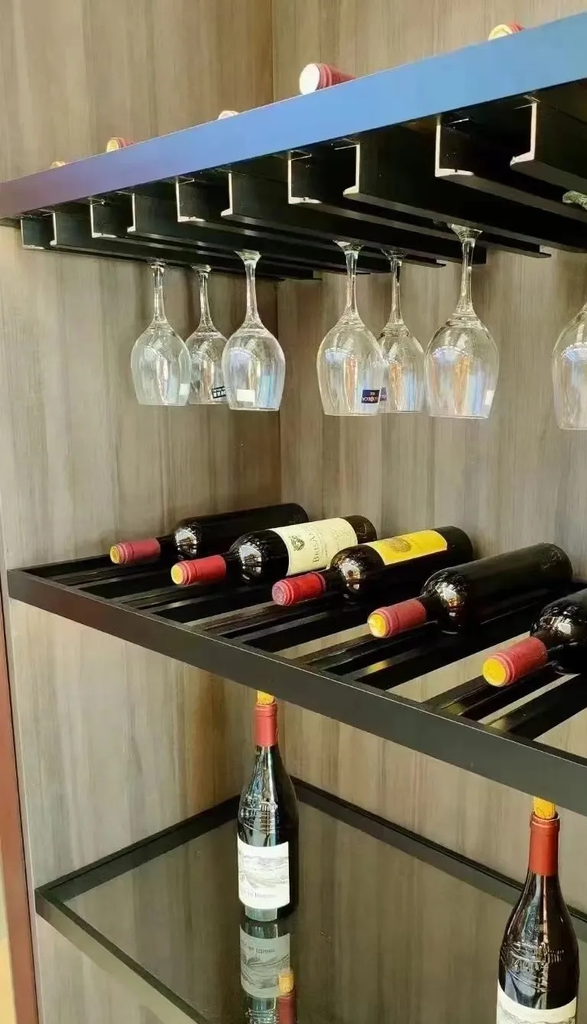
The design goal is a narrow frame. Reduce visible aluminum. Increase glass area. Add shelf lights, backlighting, or low-color-temperature linear lights. The cabinet becomes more transparent. The overall look is lighter and more restrained. This is the common light-luxury display logic.
Colors can be customized. But small batches usually cost more. The reason is simple. Color matching, die changes, minimum order quantities, and switching the surface treatment line all add cost. For small quantities, a color-matching fee or MOQ charge is normal.

2. Glass Shelves on Wood Cabinets
You do not need an all-aluminum cabinet. Glass shelves on a wood cabinet also create transparency. Wood feels warm. Glass feels light. Together, the two materials soften each other. The wood cabinet looks less heavy. The glass looks less cold.
Watch thickness and load. Match the shelf supports. Polish the glass edges carefully. Cheap grinding looks white under side lighting. It may even chip. That hurts the quality.
3. Higher-End Finish: Leather-Wrapped Aluminum Profiles
A higher-end surface option is leather wrapping on aluminum profiles. The surface looks and feels like leather. The price is higher. It is often used in high-end display furniture. It is also used on custom walls with leather or wood-grain finishes.
Check the details. Is the wrap flat? Is the edge clean? Is the stitching even? Is it easy to clean? It suits high-end display. It is not for rough use.
4. How to Choose Cabinet Door Hinges
This is the key part. There are three common types.
Top-and-bottom hinges. They mount at the top and bottom. They hide well. The glass door sits closer to the cabinet body. They are common on minimal glass doors. A door height around 2.2 m is a common rule of thumb. It is not an absolute limit. Door width, glass thickness, door weight, and use frequency also matter. If the parameters do not match, the door may sag or warp over time.
Pin hinges. The goal is hidden hardware. Some products open up to 270 degrees. The look is clean. But their load rating is usually lower than top-and-bottom hinges. With normal door width and weight, they can cover door heights up to about 2.2–2.3 m. Still, follow the hinge brand’s load ratings.
Exposed hinges. They have fewer height limits. They suit very tall doors. They are also convenient for wood cabinets. Some exposed hinges look quite good. But do not say they have no height limit. Choose by load rating.
In short, do not pick a hinge only for hidden looks. Match door height, door width, glass weight, opening frequency, and hinge load rating.
5. Supply Chain and Customization
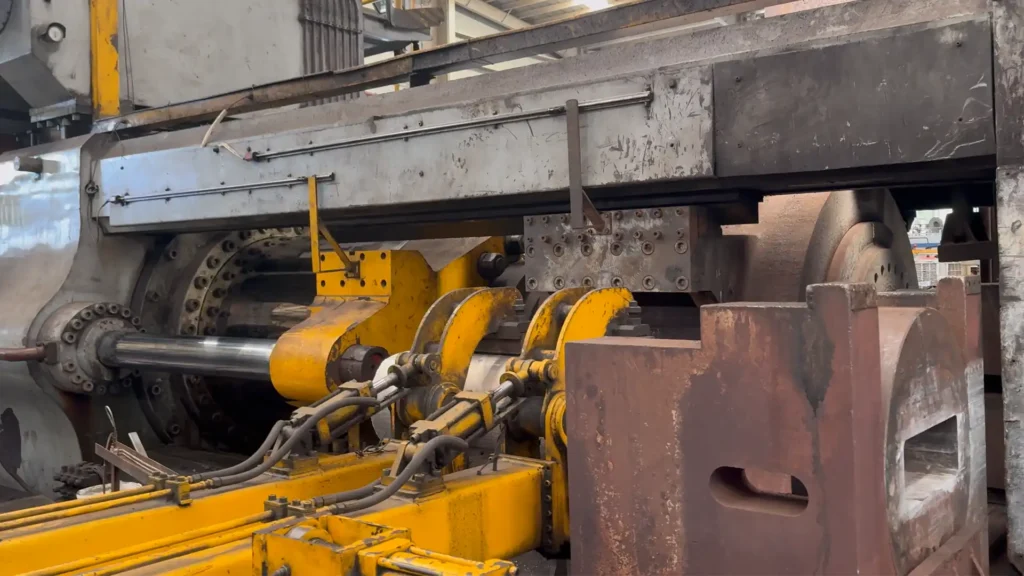
For non-standard sizes, color customization, or high-end aluminum cabinet development, extrusion experience and design experience matter. alummira has 7 years of aluminum customization and design experience. It also has 10 years of aluminum extrusion experience. It offers custom high-end aluminum glass cabinets and OEM/ODM services. As an aluminum alloy supplier, it can support profile development, surface treatment, and cabinet customization. For non-standard projects, this kind of support is often more valuable than a quote alone.
FAQ
1. Are aluminum glass cabinets always more moisture-resistant than wood cabinets?
The aluminum frame does not fear water. But overall moisture resistance depends on shelves, back panels, and sealing. Do not judge by the frame alone.
2. Anodized vs. powder-coated: which to choose?
Anodized has a matte metal look and good corrosion resistance. Powder coating offers more colors and better coverage. Choose by environment and color needs.
3. What should I check when using glass shelves in a wood cabinet?
Check thickness, load, shelf supports, and edge polishing. Avoid point contact and cheap edge grinding.
4. How to choose top-and-bottom, pin, or exposed hinges?
Choose by door height, width, glass weight, and load. Around 2.2 m is a rule of thumb. For very tall doors, evaluate exposed hinges or stronger hardware first.
5. Is leather-wrapped aluminum durable?
It looks high-end. But check the wrapping process, adhesive, stitching, edges, and cleaning. It suits high-end display.
6. Why does small-batch color customization cost more?
It involves color matching, die changes, MOQ, and surface line switching. A color-matching fee or MOQ is normal.
7. What can alummira customize?
With 7 years of design experience and 10 years of extrusion experience, it offers OEM/ODM for high-end aluminum cabinets, profile development, and surface treatment support.
Conclusion
The high-end feel of aluminum glass cabinets comes from narrow frames, glass quality, surface finish, and hidden hinges. Look at the use case and door parameters first. Then talk about style and customization. That is how you avoid a poor choice.